Again Flicker Illustrations Agia Flicker Illustrations
Adult Male (Reddish-shafted). Photo: Dawn Key/Audubon Photography Awards
| Conservation status | Although still abundant and widespread, recent surveys indicate declines in population over much of the range since the 1960s. Introduced starlings compete with flickers for freshly excavated nesting sites, may drive the flickers away. |
|---|---|
| Family | Woodpeckers |
| Habitat | Open up forests, woodlots, groves, towns, semi-open up land. With its broad range, from Alaska to Nicaragua, the flicker can be establish in nearly any habitat with trees. Tends to avert dense unbroken wood, requiring some open ground for foraging. May be in very open up state with few copse. |
Photo Gallery
Feeding Beliefs
Forages by hopping on footing, climbing tree trunks and limbs, occasionally flying out to grab insects in the air. Likewise will perch in outer branches to eat fruits and berries. Has been reported catching immature bats leaving their roost in Wyoming.
Eggs
5-viii, sometimes 3-12. White. Incubation is by both sexes (with male person incubating at night and part of twenty-four hour period), 11-xvi days. Young: Both parents feed young, by regurgitation. Young get out nest about 4 weeks afterwards hatching, are fed by parents at first, subsequently following them to good foraging sites. one brood per year, or 2 in south.
Immature
Both parents feed young, by regurgitation. Immature leave nest about 4 weeks after hatching, are fed by parents at first, later following them to skilful foraging sites. 1 brood per year, or 2 in due south.
Diet
Mostly ants and other insects. Probably eats ants more frequently than whatever other North American bird. Too feeds on beetles, termites, caterpillars, and other insects. Eats many fruits and berries, especially in autumn and winter, and eats seeds and nuts at times.
Nesting
Males defend nesting territory with calling, drumming, and many aggressive displays, including swinging head back and forth, flicking wings open and spreading tail to show off brilliant underside. Courtship displays mostly similar. Nest site is cavity in tree or post, rarely in a burrow in the ground. Tree cavities usually in dead forest; pine, cottonwood, and willow are amid favored trees. Crenel excavated by both sexes, typically vi-20' above ground, sometimes much higher (to 100' or more).
Download Our Bird Guide App


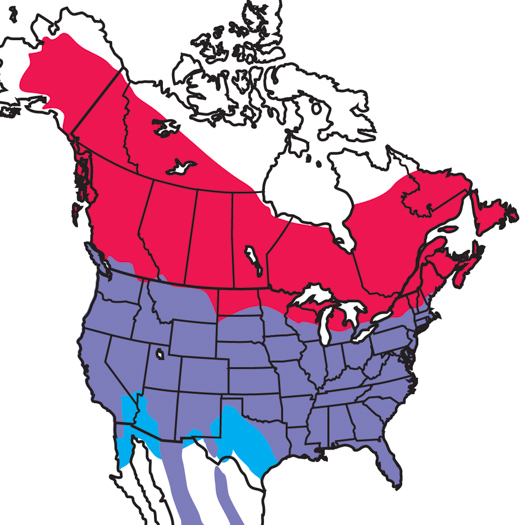
- All Seasons - Common
- All Seasons - Uncommon
- Breeding - Common
- Breeding - Uncommon
- Winter - Mutual
- Winter - Uncommon
- Migration - Common
- Migration - Uncommon
Songs and Calls
A loud, repeated flicker or wicka-wicka-wicka; too a loud kleeer.Source: https://www.audubon.org/field-guide/bird/northern-flicker
0 Response to "Again Flicker Illustrations Agia Flicker Illustrations"
Post a Comment